
"Dance, Dance, While the Hive Collapses"
Provided by: Poetry Foundation|Published on: June 6, 2026|Last updated: July 16, 2026
Grades: 9, 10, 11, 12
Type: Articles/Websites
Subjects: English Language Arts
Authors: Tiffany Higgins
Location: Earth
This resource has been reviewed by SubjectToClimate's climate scientists and verified for scientific accuracy and up-to-date information. Learn about our review process →
This resource has been reviewed by SubjectToClimate's climate scientists and verified for scientific accuracy and up-to-date information. Learn about our review process →
Synopsis
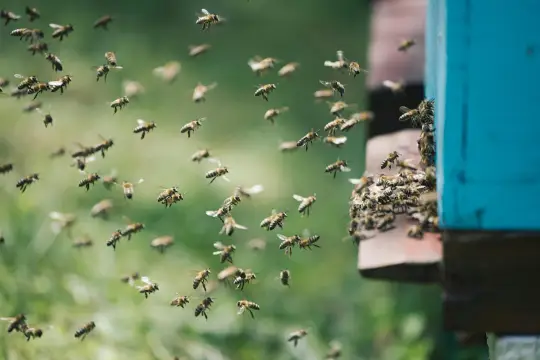
- This poem plays with form as a vehicle to connect the bees' waggle dance to their declining population due to the use of insecticides.
- The author cites the use of imidacloprid and its impact on individual bees and bee colonies.
Teaching Materials
Prerequisites:
- Introduce the term imidacloprid, an insecticide.
Classroom Implementation:
- Use this poem to discuss form and how it contributes to the poem. Ask, “How would this poem be different if you were listening to it instead of reading it?”
- Have students read the poem multiple times for a clear understanding of the author’s purpose and the poetic devices used to convey the message.
Interdisciplinary Connections:
- Have students research the impacts of insecticides, like imidacloprid, on bee populations and the implications these impacts have on the ecosystem as a whole.
This poem explores the impacts of insecticides, specifically imidacloprid, on bees. Insecticides like imidacloprid cause significant harm to bees and other pollinators. They contribute to colony collapse and the decline of these insects' populations. The poem emphasizes how human actions, even those with good intentions, can negatively affect the environment around them. The information presented is accurate, and this resource is recommended for teaching.
Teaching Tips
Standards
Resource Type and Format
Scientist Reviewed
This resource has been reviewed by SubjectToClimate's climate scientists and verified for scientific accuracy and up-to-date information. Our review process ensures that every resource in our library reflects the current state of climate science.
Learn about our review process →