

Extinct and Endangered: Insects in Peril
Provided by: American Museum of Natural History|Published on: November 7, 2022|Last updated: July 16, 2026
Grades: 6, 7, 8, 9, 10, 11, 12
Type: Videos
Subjects: Biology, Visual and Performing Arts
Authors: American Museum of Natural History
Location: Earth

This resource has been reviewed by SubjectToClimate's climate scientists and verified for scientific accuracy and up-to-date information. Learn about our review process →
This resource has been reviewed by SubjectToClimate's climate scientists and verified for scientific accuracy and up-to-date information. Learn about our review process →
Synopsis
- This video addresses the important ecological role that insects play around the world, the way art is used to generate interest, action, and curiosity about insects, and the urgent need to protect natural habitats to preserve dwindling insect populations.
- Students will learn how field biologists and entomologists are working to protect biodiversity as they attempt to understand the decline in insect populations.
Teaching Materials
Positives
- The video features informing and engaging footage and interviews with photographers, scientists, and curators.
- This video features footage of field work, interviews within the museum, and video clips of insects in their habitats.
Additional Prerequisites
- This resource includes a complete transcript of the video.
- Students should have prior knowledge of the concept of biodiversity.
Differentiation
- Provide students with a note-taking guide to use while viewing the video, focusing on the evolution of insects, the roles that insects play in ecosystems, the threats faced by insect populations, and the role that humans play in insect population decline.
- Give students time to read the transcript after watching this short video in order to add details to their notes, which will allow visual learners to more fully comprehend the concepts.
- Students who require more background knowledge on the importance of biodiversity can watch this video about humans and biodiversity or watch this animated video about why biodiversity is so important.
- Extension activities may include further research into mass extinction and its impacts using resources such as this video about species extinctions or this resource about biodiversity and extinction.
- Consider giving students time to explore the link to the exhibition and the artist's website, and then putting students into groups to research a particular endangered insect from the exhibit.
- Art classes could discuss how the photographer in this project is using artistic expression to address insect population decline and biodiversity loss.
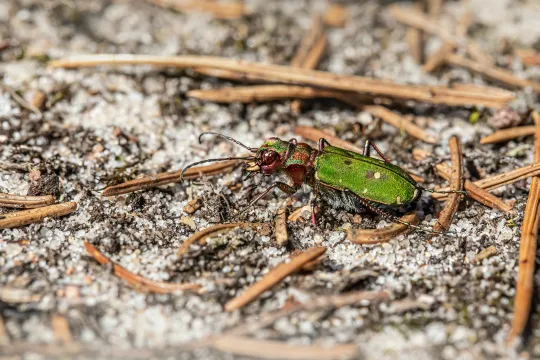
This resource introduces the issue of insect population decline through the lens of an insect photography exhibit at the American Museum of Natural History. Museum curators and entomologists discuss the evolution of insects, the important roles they play in the ecosystem, and the threats insect populations face as humans continue to change the natural environment. A team performing a population survey of tiger beetles is presented to show the work being done to quantify the issue of insect population decline. This visually stunning resource presents the natural beauty of insects to engage viewers in the fight to save insect populations and is recommended for teaching.
Teaching Tips
Standards
Resource Type and Format
Scientist Reviewed
This resource has been reviewed by SubjectToClimate's climate scientists and verified for scientific accuracy and up-to-date information. Our review process ensures that every resource in our library reflects the current state of climate science.
Learn about our review process →