
The Wisdom of Oske (Rivercane)

Synopsis
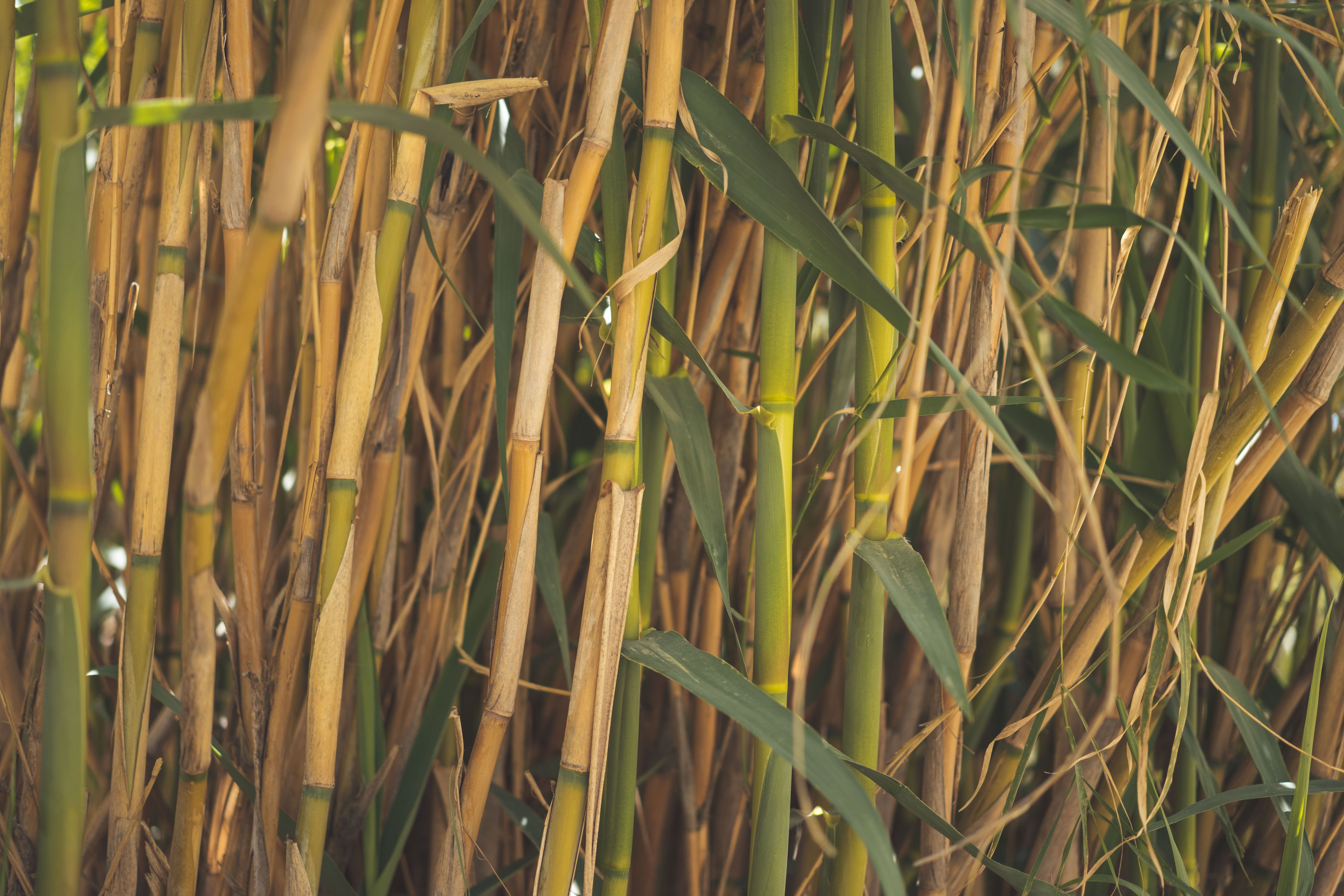
This lesson explores the Choctaw people's relationship with Rivercane (Oske), a cultural and ecological keystone species of Southeastern floodplains whose root networks prevent soil erosion, filter water, and shelter wildlife.
Students locate a riparian zone and test how soil with intact roots handles water compared with bare dirt, while learning how settler-colonial land clearing, the forced removal of the Choctaw, and climate change threaten rivercane, and how the Five Tribes are leading its restoration.
Teaching Materials
Preparation:
Use the story map to learn about the full curriculum and build necessary background knowledge for implementing this lesson.
Plan to take students to a riparian area.
Prerequisites:
Consider reviewing the Trail of Tears with students.
Materials:
Clipboards
Paper
Pencil
Small trowels or spoons
Clear plastic cups or jars
Reusable water bottle with water
Extensions:
Give students time to research other native plants that can be used as solutions to protect the land.
Related Resources:
Use this resource to expand on the concept of stormwater runoff.
Climate Change Connections:
Highlight the importance of natural solutions in the face of extreme weather due to climate change. Use rivercane as an example.
Scientist Reviewed
This resource has been reviewed by SubjectToClimate's climate scientists and verified for scientific accuracy and up-to-date information. Our review process ensures that every resource in our library reflects the current state of climate science.
Learn about our review process →