
#Trashtag: The Online Challenge Cleaning Places Up
Provided by: BBC|Published on: April 27, 2021|Last updated: July 16, 2026
Grades: 6, 7, 8, 9, 10, 11, 12
Type: Articles/Websites
Subjects: Earth and Space Sciences
Authors: BBC News
Location: Earth
This resource has been reviewed by SubjectToClimate's climate scientists and verified for scientific accuracy and up-to-date information. Learn about our review process →
This resource has been reviewed by SubjectToClimate's climate scientists and verified for scientific accuracy and up-to-date information. Learn about our review process →
Synopsis
- This article introduces students to the #Trashtag challenge, where people go to a place, clean it up, and post before and after pictures on social media.
- The article conveys an important message that we need to get to the root of the problem by first refusing to purchase disposable items, then reduce, reuse, and (as a last resort) recycle.
Teaching Materials
Positives
- The social media component of this challenge will be engaging for teenage students.
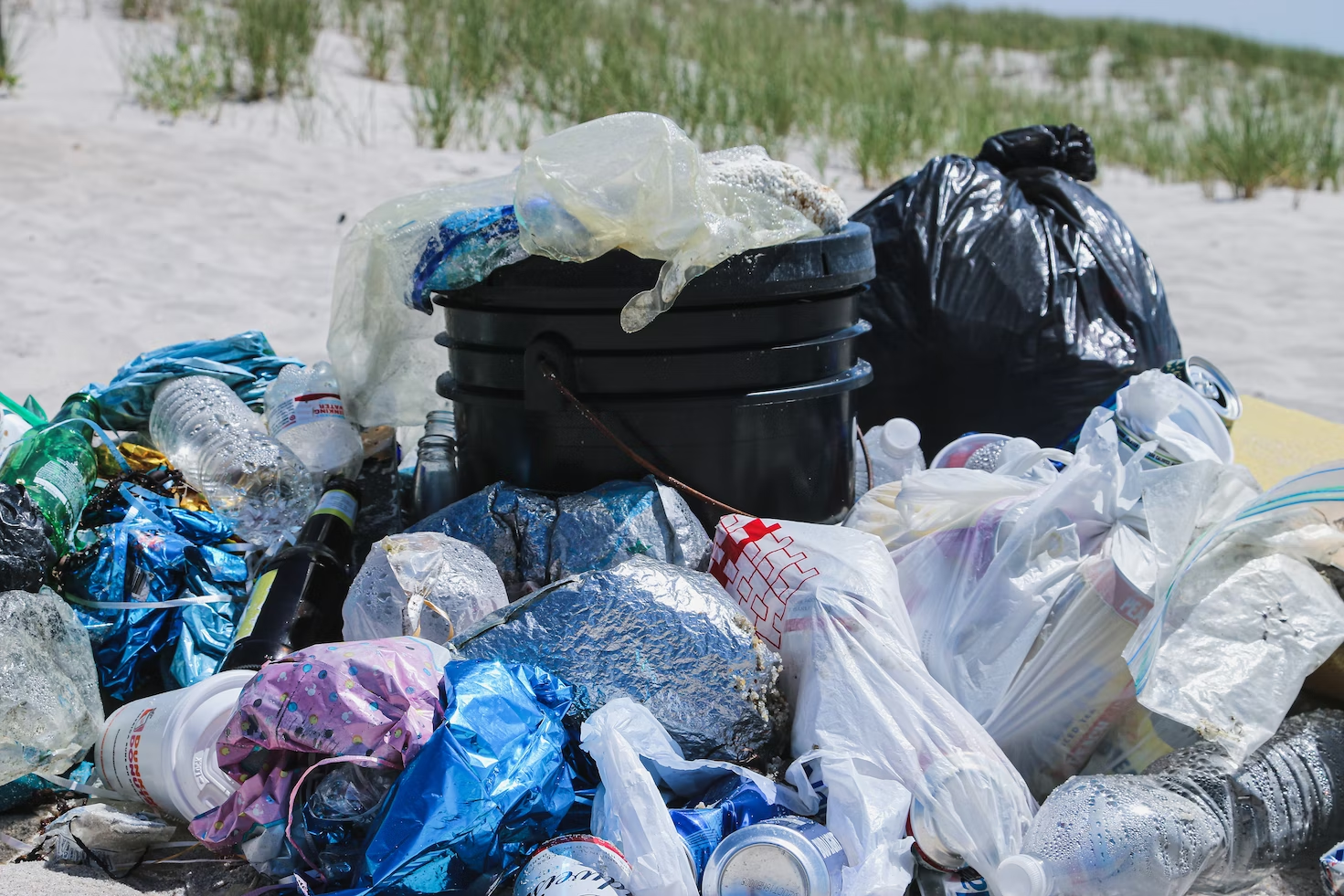
- The article provides nice images to accompany the text and includes examples of posts from around the world.
- The challenge encourages students to help keep the environment clean.
Prerequisites
- It may be beneficial to explain to students that many plastics are not able to be recycled and that disposable items are primarily made from new materials, not recycled materials.
Differentiation & Implementation
- Teachers can encourage students to participate in the challenge and share their before and after pictures with the class.
- Students can create their own hashtag challenge to encourage their community members to participate in a particular activity related to the environment.
- Teachers can design a campaign for waste management and divide students into teams, with each team having a specific task such as designing the logo, creating a hashtag, and choosing activities.
This resource inspires students to engage in city cleaning by collecting solid waste and keeping their environment clean and green. Educators should note that if they were to implement this challenge, it requires hand gloves and other safety gear to prevent injury and skin infection. This is recommended for teaching.
Teaching Tips
Standards
Resource Type and Format
Scientist Reviewed
This resource has been reviewed by SubjectToClimate's climate scientists and verified for scientific accuracy and up-to-date information. Our review process ensures that every resource in our library reflects the current state of climate science.
Learn about our review process →