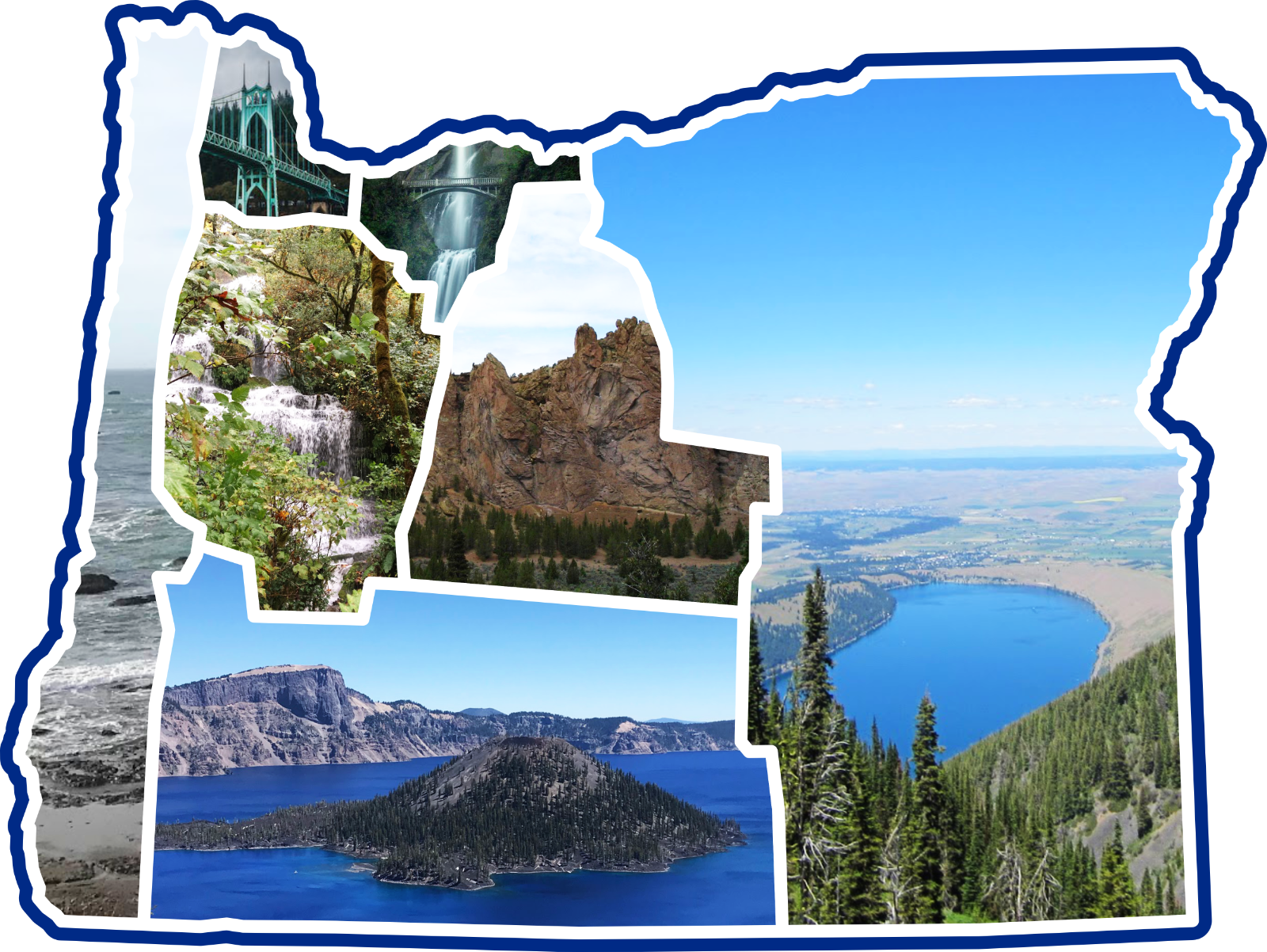

Westward Expansion and Environmental Justice History
Provided by: MIT Climate Action Through Education|Published on: February 4, 2025|Last updated: July 16, 2026
Grades: 9, 10, 11, 12
Type: Lesson Plans
Subjects: Civics, History
Authors: Michael Kozuch
Location: North America > United States
This resource has been reviewed by SubjectToClimate's climate scientists and verified for scientific accuracy and up-to-date information. Learn about our review process →
This resource has been reviewed by SubjectToClimate's climate scientists and verified for scientific accuracy and up-to-date information. Learn about our review process →
Synopsis
- In this MIT lesson, students will learn about how the colonization of the Western United States affected Plains Indian tribes and the historical progression of land aquisitions and purchases during the 1800s.
- Students will learn about the unlawful taking of lands from Indigenous people and other atrocities that stemmed from westward expansion, the different cultures involved in and impacted by westward expansion, and a history of environmental justice.
Teaching Materials
Positives
- This unit helps students with the necessary skill of thinking critically about the importance of perspective in historical contexts.
- In the Ted Talk video, Aaron Huey tells the story of atrocities bombarding Indigenous communities with a powerful degree of emotion that is moving.
Prerequisites
- Students may need help making a copy of the student assignment.
- In the Environment in the West student worksheet, students will have to request access to the example Poem in Two Voices.
- In The Many Cultures of the West Through Documents worksheet, both links in Step 1 are currently broken. Teachers may need to provide students with additional instruction or a different resource about how to analyze their resources.
- Also, the link for the document for African Americans (Exodusters) is broken. Teachers will either need to eliminate Group 3 or find another resource for an African American voice.
Differentiation & Implementation
- Before watching the Ted Talk video, students can read the section in their textbooks on westward expansion. Students can make a timeline of the events involving Indigenous people, paying special attention to the language used to convey these events. Then, while watching, students can compare their textbook's portrayal of events with the one in the Ted Talk video. This exercise can help students understand the need for a critical eye when reading history textbooks and can also lead to a discussion of how who writes history determines how the story gets told.
- The current content in this lesson talks about the Biden administration’s efforts for environmental justice. To update this, teachers may want to add resources that show what the 2025 Trump administration has done and plans to do or not do for environmental justice, as well as an updated summary of the Biden administration's efforts.
- After watching the video on Slide 14 of the Environmental Justice slides, students can research carbon cap and trade programs to gain a better understanding of this topic from the video.
Teachers can use this data-rich lesson plan that explores westward expansion and environmental justice. The references and source materials used for this lesson plan are from reputable organizations and all of the links are functional. This resource would be a useful tool for teachers looking to improve climate-related learning experiences in the classroom.
Teaching Tips
Standards
Resource Type and Format
Scientist Reviewed
This resource has been reviewed by SubjectToClimate's climate scientists and verified for scientific accuracy and up-to-date information. Our review process ensures that every resource in our library reflects the current state of climate science.
Learn about our review process →