
Which Type of Milk Is Best for You?
Provided by: TED-Ed|Published on: June 9, 2022|Last updated: July 16, 2026
Grades: 6, 7, 8, 9, 10, 11, 12
Type: Articles/Websites
Subjects: Chemistry, Biology, Health
Authors: Grace E. Cunningham, Jonathan J. O'Sullivan
Location: Earth
This resource has been reviewed by SubjectToClimate's climate scientists and verified for scientific accuracy and up-to-date information. Learn about our review process →
This resource has been reviewed by SubjectToClimate's climate scientists and verified for scientific accuracy and up-to-date information. Learn about our review process →
Synopsis
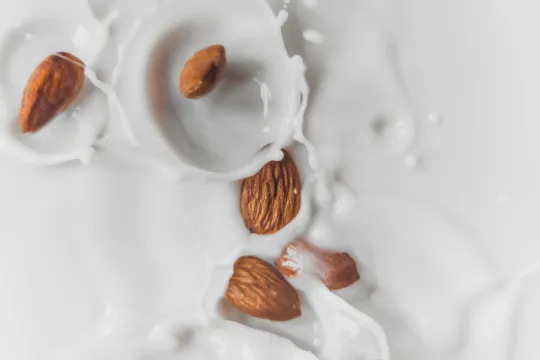
- This video discusses how plant and dairy milks are produced, which milk is best for a person's health, and which milk is best for the environment.
- Students will learn that the best milk for the planet is the milk that uses the least amount of water and land and produces the smallest amount of greenhouse gas.
Teaching Materials
Positives
- When discussing individual health, the video does a good job of weighing the pros and cons of each kind of milk. Individuals' dietary restrictions and the commercial availability of each milk are taken into consideration.
- The video uses engaging animation to illustrate the points and facts.
- The comprehension quiz and additional resources allow students to explore the topic in greater depth.
Additional Prerequisites
- Students should be familiar with the metric system.
- Students should know the different kinds of macronutrients.
- The comprehension quiz requires a free Ted-Ed account to input answers.
- There may be an ad before the video.
Differentiation
- This would be a great resource to use in a biology class when discussing the chemical makeup and physiological roles of macronutrients.
- Cross-curricular connections can be made in health classes when discussing nutrition, as well as how accessibility to food plays a role in what people choose to eat.
- Other resources on this topic include this video on organic food, this interactive guide to healthy and sustainable eating, and this PBS video about the complexities of the global food system.
The video explains the differences between plant-based and dairy milk. In terms of competitive advantage, plant-based milk is healthier and has minimal carbon footprint. This resource is insightful in introducing students to the science of milk production with the option of conserving biodiversity in a changing climate. The resource is recommended for teaching.
Teaching Tips
Standards
Resource Type and Format
Scientist Reviewed
This resource has been reviewed by SubjectToClimate's climate scientists and verified for scientific accuracy and up-to-date information. Our review process ensures that every resource in our library reflects the current state of climate science.
Learn about our review process →