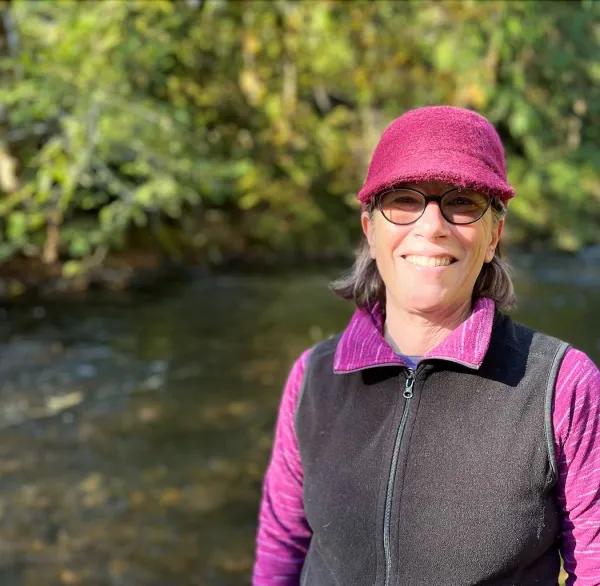
Tana Shepard is a K–12 Climate, Energy, and Conservation Teacher with 24 years of teaching experience. She holds a Bachelor of Education and Master of Education from Pacific University. Tana coordinates the 4J/EWEB Education Partnership Program in Eugene, Oregon, and is a founding member of Oregon Educators for Climate Education (OECE). She has extensive experience leading climate education, environmental stewardship, outdoor learning, renewable energy, and conservation initiatives, helping students and educators build the knowledge and skills needed to create a more sustainable future.
In this lesson, students learn about plastic pollution and write a letter to a local official advocating for a solution to plastic pollution.
Step 1 - Inquire: Students complete the Anticipation Guide individually or in groups, responding to true or false prompts and answering one question about plastic pollution and the Great Pacific Garbage Patch.
Step 2 - Investigate: Students conduct research on plastic pollution and the Great Pacific Garbage Patch and complete the RACES writing organizer.
Step 3 - Inspire: Students write a letter to a local official advocating for action on plastic pollution.
In this lesson, students learn how human activities impact watersheds, and what communities can do to keep the watershed healthy.
Step 1 - Inquire: Students think about how they use water in their everyday life and the important role that their local watershed plays in their community.
Step 2 - Investigate: Students complete two hands-on activities to understand how watersheds work and the impact that human activities have on watersheds.
Step 3 - Inspire: Students write a poem, short story, or letter about the importance of watershed health and share it with their local watershed council.
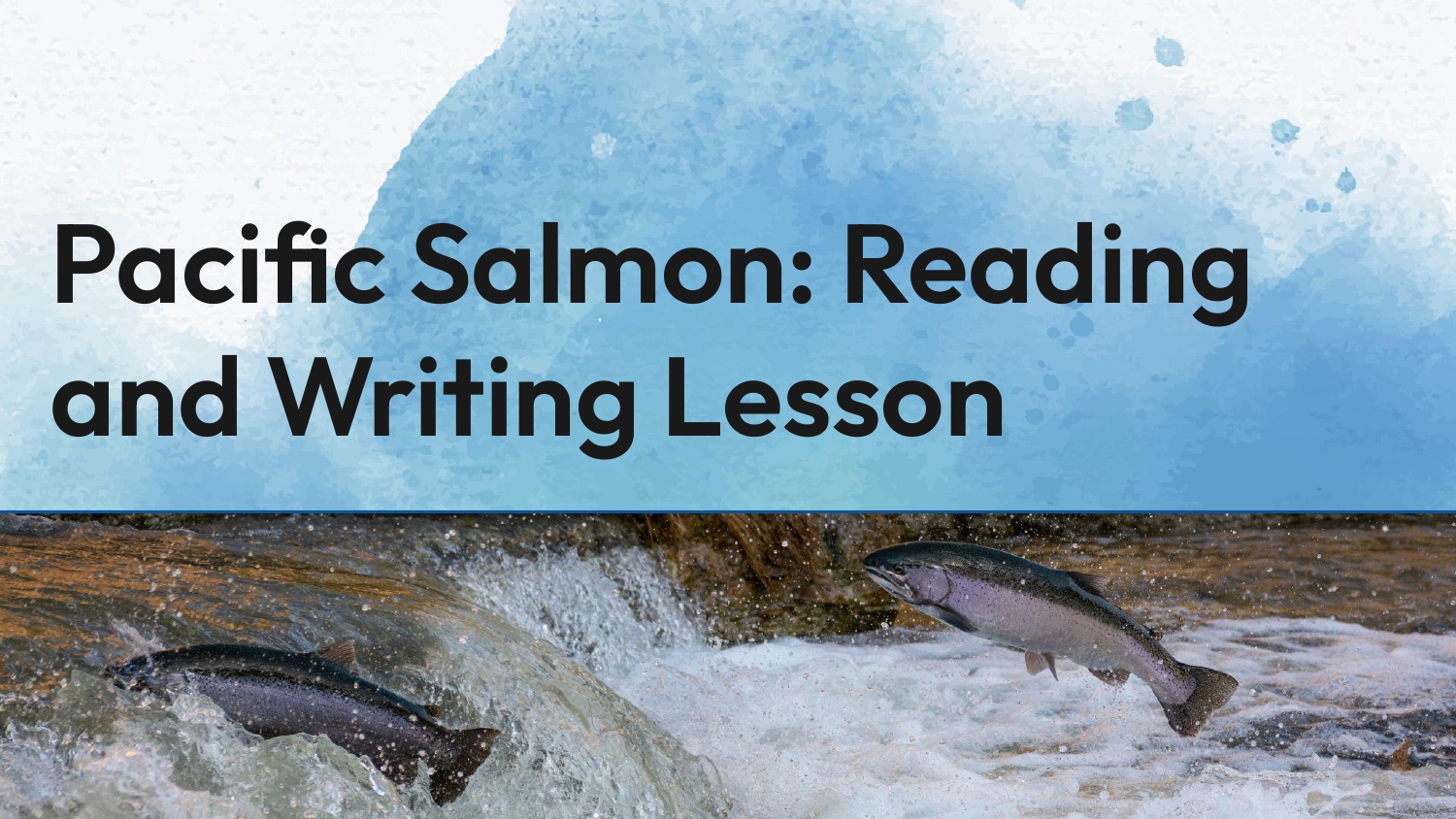
In this lesson, students learn the threats that salmon face, collaborate in oral storytelling, and share their perspectives with local stakeholders.
Step 1 - Inquire: Students discuss the salmon life cycle, salmon habitat needs, and threats salmon face due to climate change or human impacts and connect to their lived experience with oral storytelling.
Step 2 - Investigate: Students use their senses and go on an imaginative field trip to incorporate details into their salmon stories.
Step 3 - Inspire: Students use a group storytelling technique called Story Spine to tell their own salmon and climate stories and share them with local stakeholders.
Grade3-5
Subject English Language Arts,Visual and Performing Arts