

Climate Change Resilience: Cooling an Urban Heat Island
Provided by: American Museum of Natural History|Published on: April 27, 2021|Last updated: July 16, 2026
Grades: 6, 7, 8, 9, 10, 11, 12
Type: Videos
Subjects: Science, Social Studies, Health
Authors: American Museum of Natural History
Location: North America, North America > United States, North America > United States > New York, North America > United States > New York > New York

This resource has been reviewed by SubjectToClimate's climate scientists and verified for scientific accuracy and up-to-date information. Learn about our review process →
This resource has been reviewed by SubjectToClimate's climate scientists and verified for scientific accuracy and up-to-date information. Learn about our review process →
Synopsis
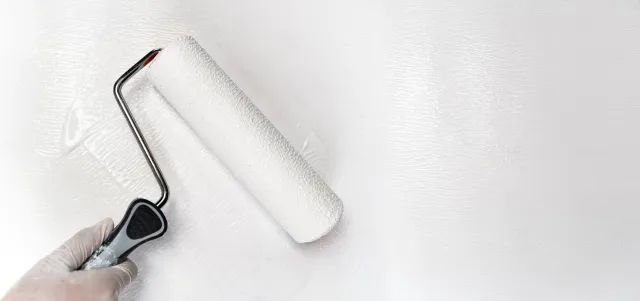
- This video outlines an initiative called NYC CoolRoofs, which helps reduce the urban heat-island effect by painting roofs white in New York City.
- This reflects more sunlight and reduces the internal temperatures of buildings, reducing the amount of energy needed to cool the buildings and protecting the residents from overheating.
Teaching Materials
Positives
- Students will learn about the concept of the urban heat-island effect and understand the connection between this initiative and reducing carbon emissions.
Additional Prerequisites
- Students need to be familiar with the albedo effect, urban heat islands, and the effects of rising temperatures on people.
- The teacher can access the full video catalog using the link in the video description.
Differentiation
- The teacher could ask students to design solutions to the urban heat-island effect and break them down by categories such as energy efficiency, natural solutions (such as trees), insulation, etc.
- Students can learn more about urban heat islands and could create posters and videos to educate others.
- Another recommended resource is Lights Out Day, an initiative where your school would not use lighting for the whole day to save electricity.
The video describes local initiatives for reducing the impact of urban heat in New York City. The assumption that coating the roofs with white paint can reduce the internal temperatures of a building is valid. Thus, this resource is recommended for teaching.
Teaching Tips
Standards
Resource Type and Format
Scientist Reviewed
This resource has been reviewed by SubjectToClimate's climate scientists and verified for scientific accuracy and up-to-date information. Our review process ensures that every resource in our library reflects the current state of climate science.
Learn about our review process →