
Restoring Wild Rice Habitats to Protect Food Sovereignty
Provided by: PBS Wisconsin Education|Published on: May 22, 2026|Last updated: July 16, 2026
Grades: 6, 7, 8
Type: Videos
Subjects: Biology, Earth and Space Sciences, Geography
Authors: Field Notes on Climate
Location: North America > United States, North America > United States > Wisconsin
This resource has been reviewed by SubjectToClimate's climate scientists and verified for scientific accuracy and up-to-date information. Learn about our review process →
This resource has been reviewed by SubjectToClimate's climate scientists and verified for scientific accuracy and up-to-date information. Learn about our review process →
Synopsis
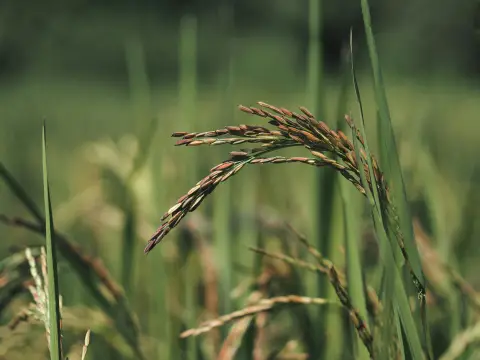
- This 9-minute video features researchers and cultural stewards working to understand and protect manoomin (wild rice), a plant of deep ecological and cultural significance to Ojibwe and Anishinaabe peoples in the Great Lakes region.
- Students learn how environmental changes and human actions are threatening wild rice habitats and explore the restoration and protection efforts underway in Wisconsin.
Teaching Materials
Classroom Implementation:
- Use this video to discuss climate change's impact on culture, specifically for Indigenous cultures.
- Use as an introduction to the ecosystem services certain species can provide.
Extensions:
- Students research other foods with cultural importance that may be threatened by climate change. Consider using this resource as a starting point for exploration.
Related Resources:
- Check out this resource to learn more abut the Great Lakes Indian Fish & Wildlife Commission's work.
This video resource details a Great Lakes region project to restore wild rice habitats damaged by climate change. All key terms are defined on screen, and the video clearly portrays how wild rice is important to the Great Lakes region ecosystem and has cultural importance to indigenous peoples. This resource is recommended for teaching.
Teaching Tips
Standards
Resource Type and Format
Scientist Reviewed
This resource has been reviewed by SubjectToClimate's climate scientists and verified for scientific accuracy and up-to-date information. Our review process ensures that every resource in our library reflects the current state of climate science.
Learn about our review process →