
Famous Grand Canyon Valley Renamed to Honor Displaced Indigenous Tribe
November 28, 2022

Thought Question: How does a place’s name reflect its history?
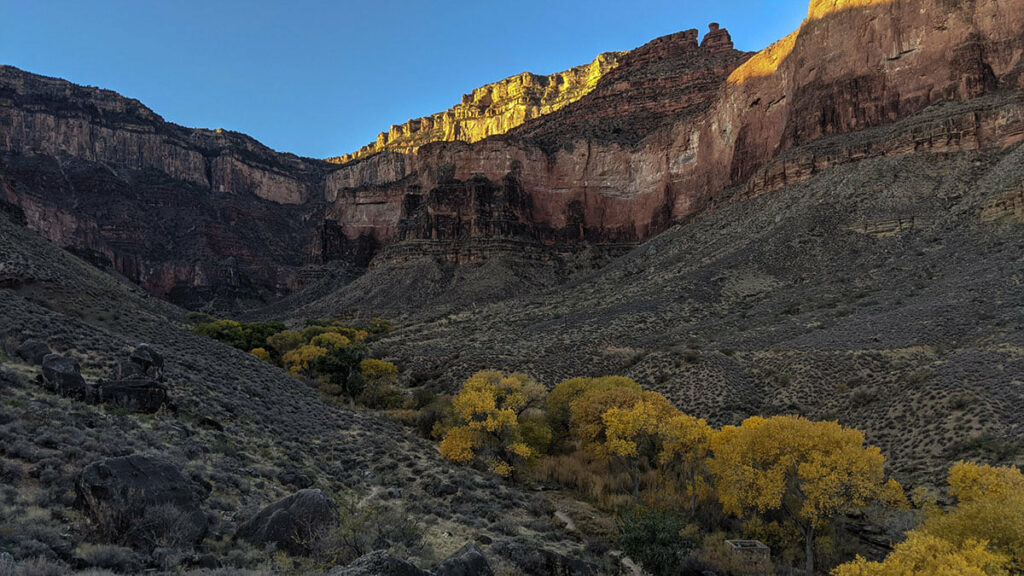
Indian Garden in Grand Canyon National Park attracts many hikers who come to see the natural beauty of the valley. But few of them know the importance of the valley to the Indigenous people who once lived there nearly 100 years ago. Now, park officials are taking steps to respect that history. The process will start with changing a name that some find “offensive.”
Indian Garden was once named Ha'a Gyoh by the Havasupai tribe. They called the region home before the US National Park Service forcibly removed them in 1926.
After working closely with the Havasupai tribe, the US Board of Geographic Names voted to rename the valley. It will now be known as Havasupai Garden.
“(The) renaming of this sacred place ... will finally right that wrong,” the Havasupai tribal chairman said in a statement.
Signs and markers throughout the valley will reflect the change. A ceremony is planned for the spring. But Havasupai tribe members are already cheering the new name.
"I am glad to see that we will always remember and honor the true history of my family's forced relocation," Carletta Tilousi told CNN. "I hope this historic action will help other Tribes take similar steps."
Photo courtesy of National Park Service via Wikimedia Commons.
News brought to you by 
Read More News Stories Today!