
New Study Suggests Greening Your Groceries Can Help With Climate Change
June 13, 2024

Do you know how much your groceries add to your carbon footprint? Experts estimate that a third of the planet-warming greenhouse gases produced by humans each year come from growing and shipping our food. A new study published in the journal Nature Food suggests we could cut those emissions by 26% if we made some simple switches at the store.
Dr. Allison Gaines told Phys.org people can reduce their carbon footprint "by switching like-for-like products." She's the lead author of the study.
Gaines studied the environmental impact of foods by placing them in groups. She then looked at the emissions produced by products in the same group. For example, some loaves of bread are shipped a long way. And some are produced from wheat farmed by trucks that spew carbon into the air. Buying a loaf from a local source could lower a person’s carbon footprint in a big way. And a switch between groups can be even bigger. Not eating meat could reduce emissions by up to 71%, Gaines found.
Of course, buyers don’t know what they don’t know. Without access to emissions data, shoppers can’t make an informed choice. That’s why Gaines’ team is calling for an environmental rating on all store products. It would be like the labels for ingredients and calories.
"There is currently no standardized framework,” Bruce Neal told phys.org. He's the executive director of the George Institute Australia. He went on to add that this research could give buyers the power to make a real impact.
Reflect: How can the choices we make when buying food help take care of our planet?
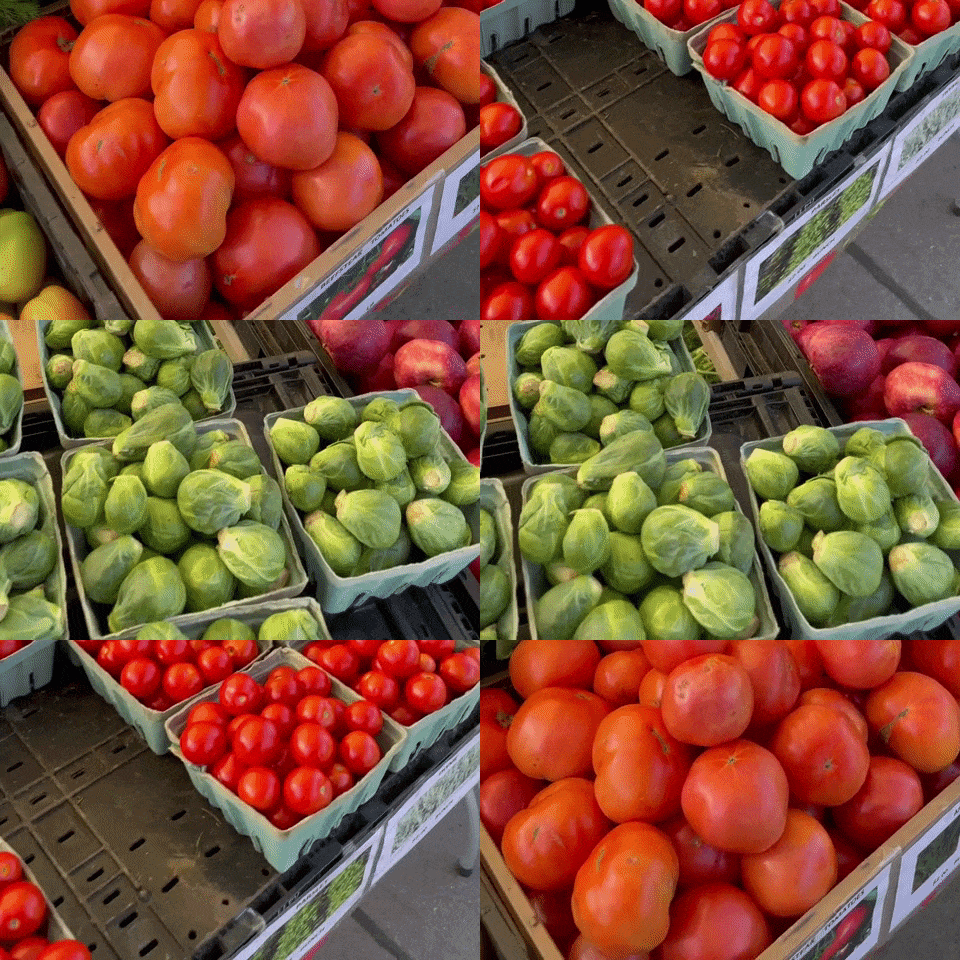
Gif of produce at grocery store from GIPHY.
News brought to you by 
Read More News Stories Today!