
US-Iran War Spurs Clean Energy Boom. Will it Last?
September 24, 2026

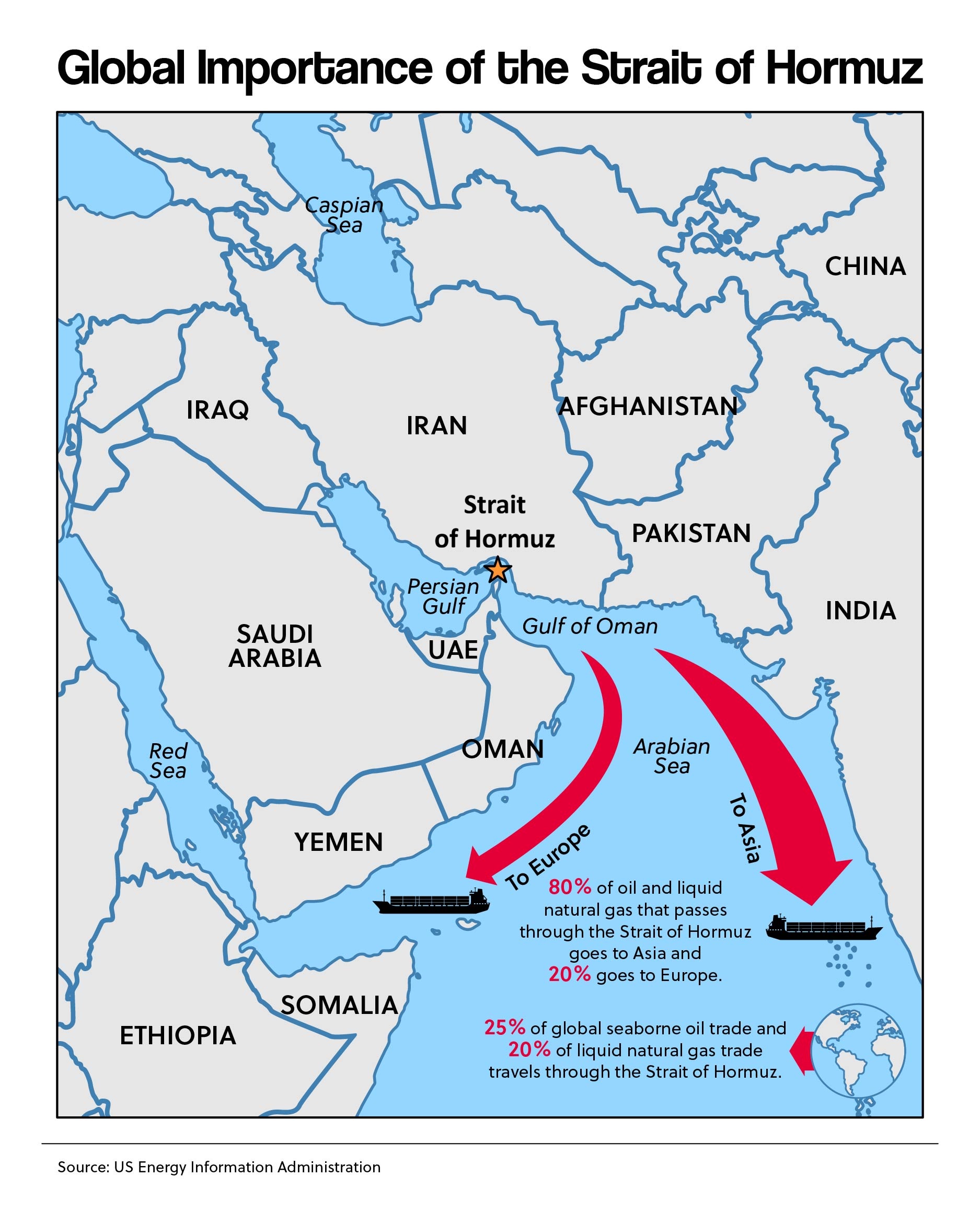
When the US and Israel struck Iran on February 28, 2026, it set off a series of events that have shaped the global economy in the months since. Perhaps the biggest shock to the global system has been the closure of the Strait of Hormuz. The strait is a major oil shipping route. With it blocked, gas prices have surged. In response, many countries have moved to rely more on cleaner and more stable energy sources.
As many as 33 nations have enacted new energy policies since the US-Iran war started. That's according to the International Energy Agency. Some are meant to move a nation away from gas as diesel prices surge to record levels. That includes Denmark’s push to replace fossil fuel heating with heat pumps. Other programs target buyers with tax breaks or loans for EVs. The goal is to push buyers toward cleaner, cheaper energy sources.
Whether the environment will feel the impact is unclear. Experts note that some countries are definitely leaning into clean energy. But others are doubling down on fossil fuels. Among those countries: the US.
President Trump has made fossil fuels a focal point of his second term. He has broadly cut programs meant to support cleaner energy. And he has offered breaks to the coal and gas industries to support those sectors of the US economy. Last week, Trump said at a recent rally that record prices at the pump were a small "price to pay" for the Iran war. Yet the US attack on Iran might hurt his own cause, Samantha Gross says. She's an expert on energy with the Brookings Institution.
"The Trump administration has been really focused on fossil fuels, but since they started this conflict, you have to ask the question, is this good for fossil fuels?" Gross told The Associated Press. "In short, I really think not," she said. The effects of the war "are helping to push other countries away from fossil fuels," Gross added.
Reflect: What's something that happens far away from where you live that still ends up affecting your everyday life?
News brought to you by 
Read More News Stories Today!