
Why Reaching India’s Green Energy Goals Amounts to a “Gargantuan Task”
March 28, 2022

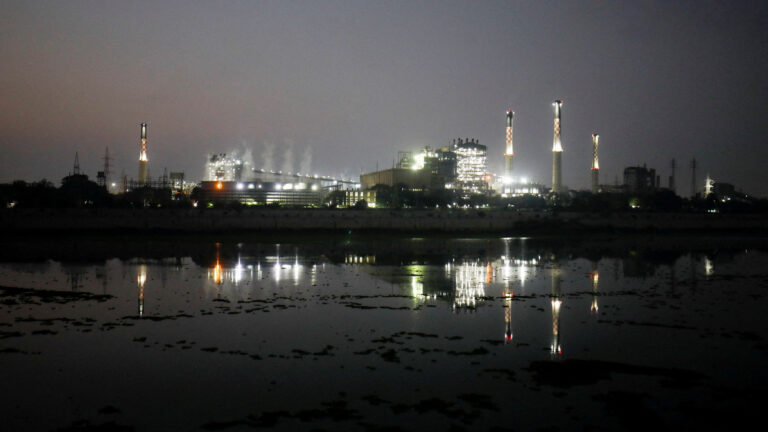
India, the world's third-biggest polluter, has promised to pursue a challenging plan to shift to renewable energy over the next decade. The nation of 1.4 billion people, though, faces huge difficulties in reaching its goals. It burns more fossil fuels that drive climate change than most other countries.
India's prime minister promised last year to quadruple the country’s ability to make energy from cleaner sources in the next 10 years. But that would mean adding a lot more renewable energy sources. The country would need to make four times the amount of power the average nuclear power plant makes each month until 2030.
Reaching India's goal would require at least doubling regular investments in green energy. That extra money is not available now. That's what officials figured out last month.
The government also has had trouble getting the land it needs. Some of the land needed has been in families for years. Farmers have made barely enough to live on. They have fought the plans to build the new plants. Last year, for example, India planned to build a large solar energy park. That led to violent clashes. Farmers have challenged the plan in court.
Another plan also faced a challenge. India’s Supreme Court ordered the government to bury power lines underground. Environmental groups said the lines killed endangered game birds. But the government said burying them would cost too much money. It also said it would slow plans to move to greener energy. The court is hearing the case again.
November 15, 2021: Coal Remains Vital Energy Source in Some Countries
Photo from Reuters.
News brought to you by 
Read More News Stories Today!